Laser
Laser Cut vs Plasma Cut vs Water Jet — Which is Best for Metal Art?
Complete comparison of laser cutting, plasma cutting, and water jet for metal art. Edge quality, material range, speed, cost — with recommendations for hobbyists, artists, and production shops.
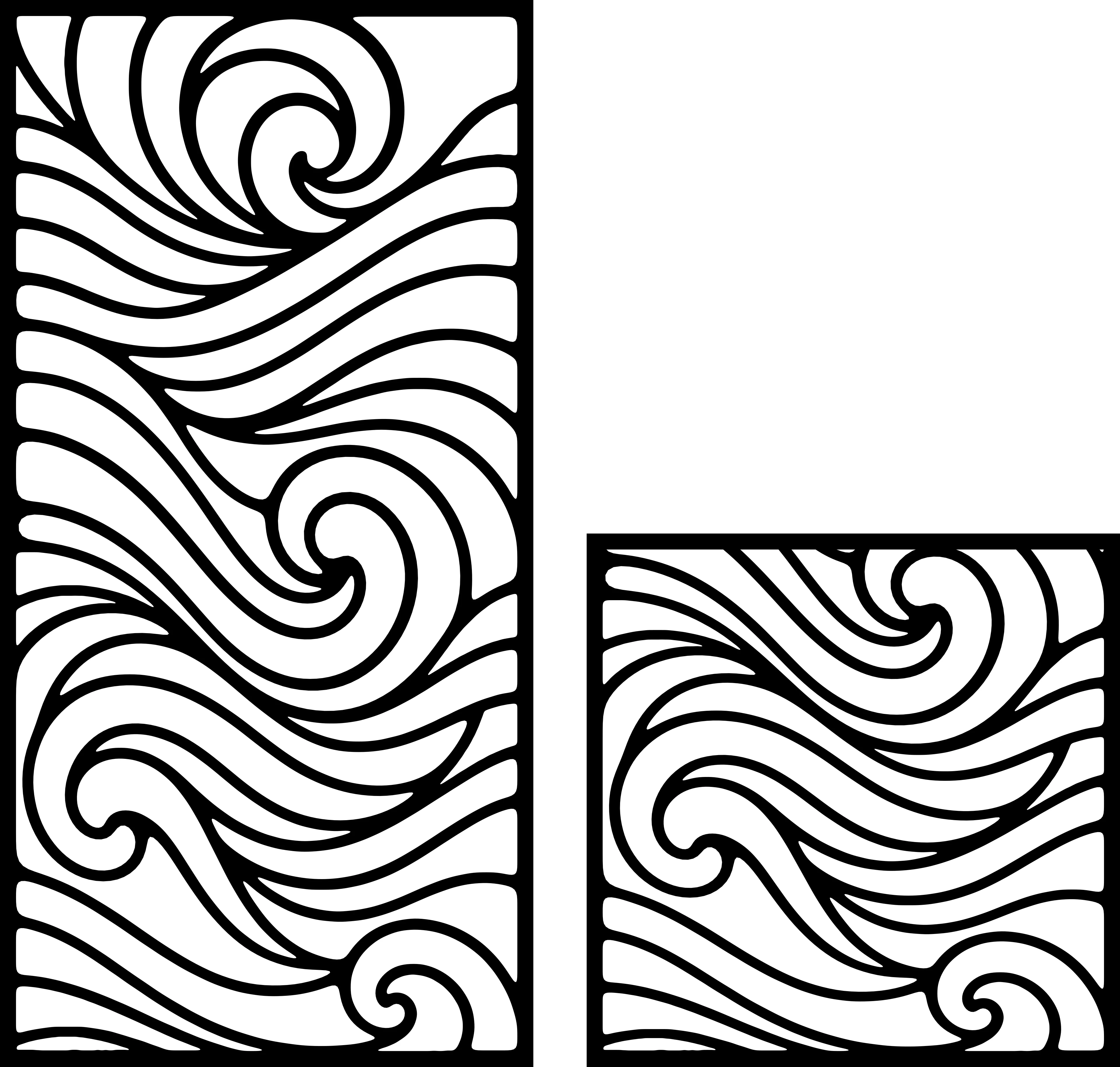
If you’re making metal art commercially or seriously, you’ll eventually have to pick a cutting technology. Laser cutter, plasma cutter, or water jet. All three cut metal. All three follow DXF paths. But they produce dramatically different results at wildly different prices.
This is the honest comparison for people who actually care about the outcome — not the marketing brochure version. We’ll cover: what each method actually does well, edge quality differences, material range, speed, real-world costs, and specific recommendations for common metal-art scenarios.
The 30-second summary
| Question | Laser | Plasma | Water jet |
|---|---|---|---|
| Best material | Steel, brass, stainless, thin aluminum | Thick steel, aluminum, structural work | Almost anything |
| Best thickness | 0.5 – 12 mm | 3 – 50 mm | Up to 200 mm |
| Edge quality | Excellent (mirror finish possible) | Rough (needs cleanup) | Excellent (no HAZ) |
| Speed on thin metal | Very fast | Fast | Slow |
| Speed on thick metal | Slow | Very fast | Slow |
| Precision | ±0.05 mm | ±0.5 – 1 mm | ±0.1 mm |
| Kerf width | 0.1 – 0.2 mm | 0.8 – 1.5 mm | 0.8 – 1.2 mm |
| Machine cost | $10k – $200k+ | $2k – $50k | $50k – $500k |
| Operating cost/hour | $2 – 10 | $8 – 30 | $30 – 80 |
| Best for metal art | ✅ YES (thin), ✅ YES (medium) | OK (thick, budget) | ✅ YES (premium, non-metal too) |
Now let’s break down each in detail.
Laser cutting for metal art
How it works: Concentrated light beam (fiber ~1 µm wavelength, or CO2 ~10.6 µm) locally heats material past melting point. Assist gas blows molten material clear.
What laser cutting is amazing at
Thin metal (0.5 – 6 mm): Speed and edge quality unmatched. A 2 mm stainless panel that takes 45 minutes on plasma cuts in 6-8 minutes on fiber laser with mirror edges.
Reflective metals (brass, copper, aluminum): Fiber lasers with anti-reflection setup handle these beautifully — impossible on CO2 lasers.
Intricate detail: 0.5 mm feature accuracy. Laser cuts through jewellery-scale detail that plasma and water jet cannot approach.
Consistent quality: Every part identical. Great for production runs.
What laser cutting struggles with
Thick steel (>12 mm): Slow and expensive. Water jet or plasma is better.
Highly reflective on low-power machines: Brass on a 500W laser is a battle. Need 1kW+.
Coated materials: Painted, galvanized, or PVC-coated steel produces toxic fumes that damage optics. Best to strip coating first or use different method.
Cost reality
- Machine: $10k entry (750W), $60k mid (3kW), $200k+ premium (6kW+)
- Running: $2-10/hour for consumables, ~$15-30/hour with electricity + gas
- Best-for-money: 1.5-3kW fiber laser at $15-40k range
Plasma cutting for metal art
How it works: Ionised gas (compressed air, oxygen, or nitrogen) forced through electrode at 20,000°C. Cuts electrically conductive materials by melting + blowing away.
What plasma cutting is amazing at
Thick steel (6-25 mm): Much faster than laser. A 12 mm plate cuts 30% faster on 100 A plasma than 6 kW fiber laser.
Budget entry: Working plasma tables start at $2,500. Fiber lasers start at $10,000+.
Structural work: Gates, fences, structural panels where mm-precision doesn’t matter.
Portability: Handheld plasma exists. Handheld fiber laser doesn’t.
What plasma cutting struggles with
Thin metal (<3 mm): Kerf too wide, edge quality bad, may burn through.
Fine detail: Anything under ~5 mm feature size just becomes a hole.
Edge quality: Needs deburring, dross removal, bevel correction. 5-10 min post-processing per panel.
Aluminum, brass, copper: Doable but produces poor edges. Fine on non-visible cuts, unacceptable on finished work.
Cost reality
- Machine: $2.5k hobby, $15k professional, $50k CNC-integrated
- Running: $8-30/hour (nozzles + electrodes wear fast)
- Best-for-money: 45-65 amp plasma table at $8-20k range
Water jet cutting for metal art
How it works: High-pressure water stream (60,000+ PSI) with garnet abrasive. Cuts by erosion — literally sand-blasting through material.
What water jet is amazing at
Any material: Steel, aluminum, brass, titanium, stone, glass, tile, wood, plastic, layered composites. No thermal effects.
Thick material: Cuts 50-200 mm thicknesses that neither laser nor plasma can approach.
Zero heat-affected zone: No warping, no annealing, no material property changes. Critical for hardened steels and aerospace-grade materials.
Premium edge quality: Slight taper (2-5°) but no burr, no dross, no HAZ. Often paint-ready.
What water jet struggles with
Speed on thin metal: Slow. A 2 mm steel panel takes 6-8 minutes vs 45 seconds on laser.
Cost: $50k+ entry, $150k+ mid-range. Not hobby-accessible.
Water and mess: Every cut produces slurry (used water + garnet). Requires collection and disposal systems.
Operating expense: $30-80/hour just to run (garnet is expensive, pumps wear out).
Small features: Kerf around 0.8-1 mm limits internal detail similar to plasma.
Cost reality
- Machine: $50k entry, $150k mid, $500k+ premium
- Running: $30-80/hour (garnet, water, pump maintenance)
- Best-for-money: 60,000 PSI abrasive water jet at $80-150k
Head-to-head: same design, three methods
Let’s take a concrete example — a 600 × 400 mm decorative panel in 3 mm mild steel, moderately detailed geometric pattern:
Laser (1.5 kW fiber)
- Time to cut: 4-5 minutes
- Post-processing: minimal (edge check, done)
- Cost per part: ~$2 electricity + $1 gas = $3 direct
- Edge quality: Excellent — no cleanup needed
- Final part quality: 9/10 (production-ready)
Plasma (65 A CNC table)
- Time to cut: 6-8 minutes
- Post-processing: 8-12 minutes (dross removal, grinding, deburring)
- Cost per part: ~$4 consumables + $2 electricity = $6 direct
- Edge quality: Fair — cleanup required
- Final part quality: 7/10 (paint required to hide edge)
Water jet
- Time to cut: 15-20 minutes
- Post-processing: minimal (5 minutes garnet cleanup)
- Cost per part: ~$18 garnet + $2 electricity = $20 direct
- Edge quality: Excellent (slight taper)
- Final part quality: 9/10 (production-ready)
For this specific application, laser wins on speed and cost. But this is thin steel — the equation reverses for thicker material.
Same design, 15 mm plate:
Laser (6 kW fiber)
- Time: 12-15 minutes
- Cost: ~$8-12 direct
- Quality: 9/10
Plasma (105 A)
- Time: 6-8 minutes ← fastest
- Cost: ~$10 direct
- Quality: 8/10
Water jet
- Time: 25-35 minutes
- Cost: ~$40 direct
- Quality: 9/10
For 15 mm plate, plasma wins on speed and cost, laser wins on precision. Water jet only if plate needs zero HAZ (uncommon).
Recommendations by scenario
Scenario 1 — Hobbyist Making Metal Art (< 100 pieces/year)
Best fit: Fiber laser (1kW-1.5kW) OR plasma table (45A)
Choose fiber laser if your work is:
- Thin metal (0.5 – 4 mm)
- Fine detail
- Premium finish (jewelry, wall art, small sculpture)
- Willing to spend $8-15k on equipment
Choose plasma if your work is:
- Thicker steel (3-12 mm)
- Gates, fences, structural
- Rough industrial aesthetic acceptable
- Only have $3-8k budget
Skip water jet. Too expensive at this volume.
Scenario 2 — Small Etsy/Craft Business ($1-5k/month revenue)
Best fit: Fiber laser (1.5-2 kW)
At this volume, edge quality directly affects pricing and reviews. Laser’s clean edges = premium positioning = 2-3× higher prices. Plasma at same production volume produces less-premium work that sells for less.
Water jet still too expensive to amortize.
Scenario 3 — Production Metal Fabrication Shop
Best fit: Depends on typical thickness
- Cutting mostly 0.5 – 6 mm: Fiber laser (3-6 kW)
- Cutting mostly 6 – 25 mm: Plasma (105-260 A) or fiber laser (6-15 kW)
- Cutting varied thickness or non-metals: Combine fiber laser + plasma or fiber laser + water jet
Many production shops have BOTH plasma AND laser. Complementary, not competitive.
Scenario 4 — Fine Art / Sculpture
Best fit: Fiber laser (1.5-3 kW) for metal, water jet for mixed materials
If cutting stainless, brass, aluminum — laser is faster, cheaper, cleaner. If cutting stone, glass, layered composites, laser can’t do it. Water jet is the answer.
Scenario 5 — Aerospace / Precision Manufacturing
Best fit: Water jet for critical zero-HAZ requirements, fiber laser for everything else
Aerospace often specifies “no thermal effects” — water jet is the only option that meets that spec. Otherwise, fiber laser produces better quality at 3-5× lower cost.
What about combo machines?
Some machines combine fiber laser + plasma OR laser + water jet on same gantry. Rare and expensive ($200k+), but exists.
Practical assessment: unless you cut > 40 hours/week and genuinely need both technologies, buy separate machines. Combo machines cost more and produce compromises.
DXFForge designs compatibility
Every design in our catalogue is drawn with kerf-aware geometry that adapts to any of the three cutting methods:
- Fiber laser: 0.1 mm kerf offset baked in — cuts to exact dimension
- Plasma: Set kerf compensation to 1.0 – 1.5 mm in CAM
- Water jet: Set kerf compensation to 0.8 – 1.0 mm in CAM
For fine-detail designs (botanical, halftone-style, intricate abstract), stick with fiber laser. Plasma will lose the fine features to kerf width.
TL;DR — Which cutting method for your metal art?
- Thin metal (< 6 mm), fine detail, premium finish: Laser cutting
- Thick steel (> 8 mm), budget-conscious: Plasma
- Mixed materials, thick anything, zero-HAZ requirements: Water jet
- Best money-for-quality overall: Fiber laser 1.5-3 kW ($15-40k range)
If you already own one method, expand into a second only when your volume justifies it. Most successful metal artists we know started with ONE method and scaled up before adding a second.
Designs mentioned in this article


More articles
House Signs
10 Best DXF Designs for Modern House Signs & Address Plaques
Curated list of the 10 best DXF designs for house signs and address number plaques. Modern styles, material recommendations, install tips. Ready to cut on fiber laser or plasma.
June 8, 2026
Wall Clocks
10 Best DXF Designs for Metal Wall Clocks (Laser & Plasma Cut)
Discover the 10 best DXF wall clock designs for laser and plasma cutting, plus motor sizing, hole specs, and material tips to sell them fast.
August 27, 2026
Design Roundup
10 Best DXF Designs for Modern Fence Panels (Fiber Laser & Plasma)
Hand-picked DXF designs that look stunning as decorative fence inserts. Cut on fiber laser or plasma in 2-3 mm steel, no rescaling needed, ready in 30 minutes.
May 24, 2026