House Signs
10 Best DXF Designs for Modern House Signs & Address Plaques
Curated list of the 10 best DXF designs for house signs and address number plaques. Modern styles, material recommendations, install tips. Ready to cut on fiber laser or plasma.
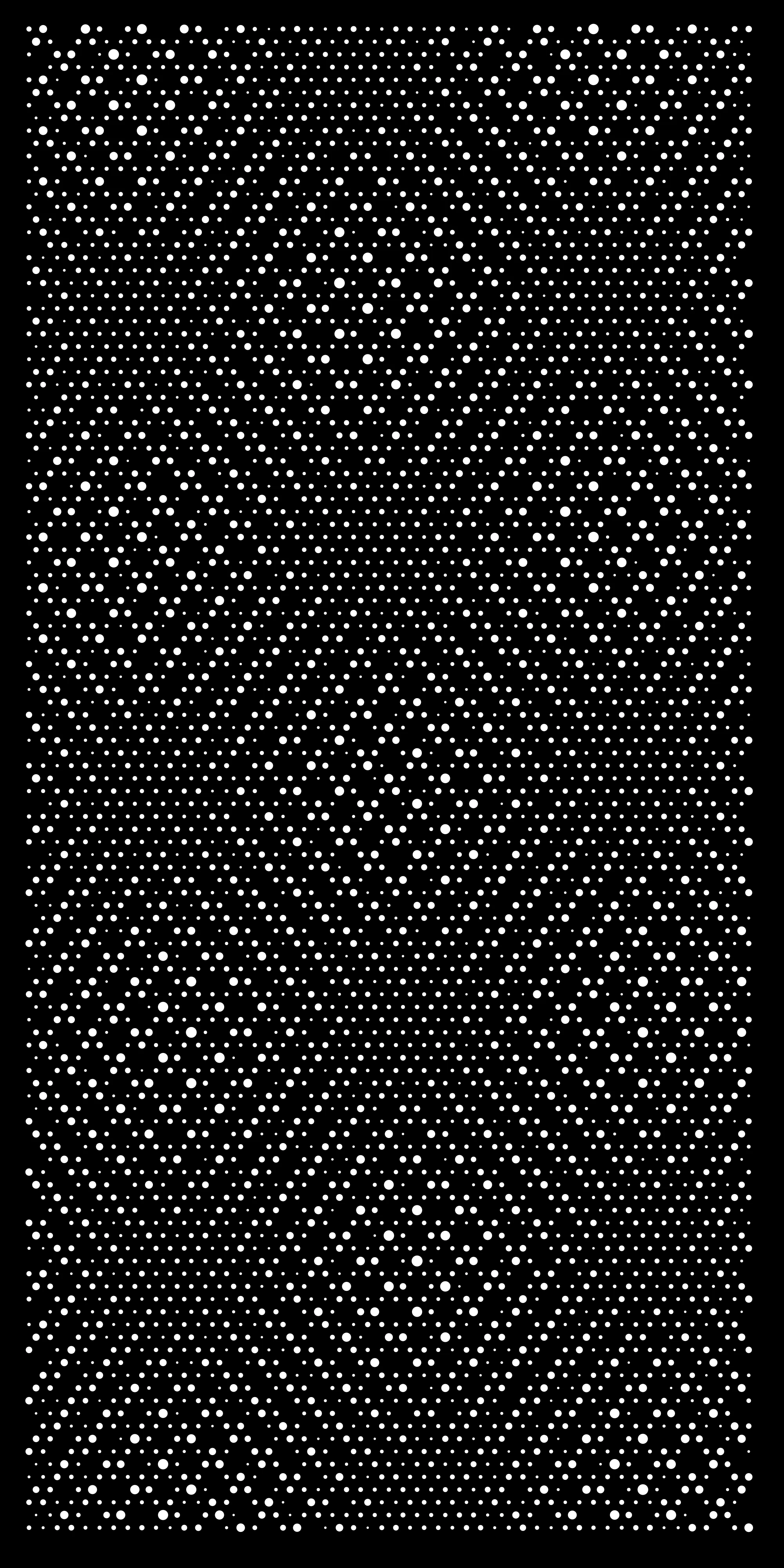
A modern house sign does more than tell mail carriers where to leave the mail — it’s the first design decision anyone sees when approaching your home. Get it right and it elevates your entire exterior. Get it wrong and even a beautifully renovated home looks unfinished.
This guide covers the 10 best DXF designs from the DXFForge catalogue for house signs and address plaques in 2026, plus everything you need to know about material selection, sizing, and installation.
What makes a great house sign design?
Before picking a design, understand what actually works:
- Legibility from the street. Numbers must be readable from 20+ metres. That means high contrast + minimum 8cm digit height.
- Weather-friendly geometry. Deep intricate cutouts trap leaves and grime outdoors. Best designs have generous negative space.
- Balanced with your home’s style. Modern house = geometric/abstract. Craftsman/heritage = ornamental. Rustic = botanical.
- Right proportions. Long single-line houses (12345 Main St) → horizontal panels. Single number → square/vertical.
- Fits your mounting surface. Stucco vs brick vs wood siding all need different fastener patterns.
Every design below scores well on all 5 criteria.
1. Wrought-Iron Style Panel 03 — best for heritage homes
Style: Ornamental, wrought-iron look Material: 3 mm mild steel, powder-coat matte black Size: 400 × 200 mm horizontal panel Best for: Craftsman bungalows, colonials, restored heritage properties
Classic wrought-iron aesthetic that translates from actual forgework into laser-cut form. Cuts in 8 minutes vs. days of blacksmithing. Combine with routed wood house numbers for a two-material feature.
2. Contemporary Wall Panel 05 — best for modern minimalist
Style: Abstract geometric Material: 3 mm Corten weathering steel Size: 500 × 250 mm Best for: Modern architect-designed homes, mid-century modern, minimalist
Clean geometric outline framing bold house numbers. Corten develops a warm rust patina over 6-12 months that reads as sophisticated architectural intent (not neglect).
3. Modular Pattern 05 — best for small budgets
Style: Geometric, repeating Material: 3 mm mild steel, brushed then clear-coated Size: 300 × 300 mm square Best for: Apartments, condos, cost-conscious installs
Small footprint, big visual. The repeating geometric background makes the numbers pop against structural texture. Fits standard doorframe placement without competing with door hardware.
4. Foliage Screen 09 — best for garden entrances
Style: Botanical, organic Material: 4 mm stainless steel Size: 600 × 300 mm Best for: Homes with mature gardens, cottage-style properties, formal entrances
Foliage-inspired panel with numbers integrated into the botanical composition. Reads as intentional garden art rather than merely utilitarian signage.
5. Contemporary Wall Panel 08 — best for modern farmhouse
Style: Contemporary abstract Material: 4 mm Corten steel Size: 800 × 200 mm horizontal Best for: Modern farmhouse, industrial-farmhouse hybrid
Large horizontal format perfect for houses with prominent porches or elevation walls. Corten’s warm brown patina complements black or grey vertical siding beautifully.
6. Geometric Composition 06 — best for backlit signs
Style: Geometric with intricate detail Material: 2 mm brass or aluminum Size: 400 × 400 mm square Best for: Homes with mounted lighting, boutique commercial fronts
Intricate geometric composition designed for backlighting. Mount 20mm from wall, install LED strip behind, and the design casts stunning geometric shadows on the mounting surface after dark.
7. Modular Pattern 12 — best for multi-family properties
Style: Geometric modular Material: 3 mm stainless steel Size: Chainable 250 × 250 mm modules Best for: Duplex/triplex/apartment buildings needing unit numbers
Modular tile design lets you chain matching signs for units A/B/C at same visual weight. Consistent branding for multi-family without looking corporate.
8. Wrought-Iron Style Panel 07 — best for luxury custom homes
Style: Premium ornamental Material: 6 mm mild steel, hot-dip galvanised then black powder-coated Size: 900 × 300 mm oversized Best for: $2M+ custom homes, luxury property brokerages
Statement-piece scale for homes where the sign becomes an architectural detail. The heavier gauge steel reads as substantial and permanent.
9. Abstract Privacy Screen 14 — best for modern condos
Style: Abstract sculptural Material: 3 mm anodised aluminum (bronze finish) Size: 350 × 500 mm Best for: Modern condominiums, urban townhouses
Sculptural abstract that works vertically. Anodised bronze finish reads premium without the heavy weight of steel. Good for facades where mounting weight matters.
10. Custom Botanical Panel 15 — best for garden cottages
Style: Botanical decorative Material: 2 mm brass, sealed with clear lacquer Size: 400 × 300 mm Best for: English cottage style, garden pavilion, secondary entrances
Delicate botanical framing around the address number. Brass develops a subtle patina outdoors that reads as heirloom-quality when properly sealed.
Material selection guide
| Material | Cost | Lifespan | Best aesthetic |
|---|---|---|---|
| Powder-coated mild steel | $ | 8-15 years | Modern, industrial, farmhouse |
| Stainless steel (304/316) | $$ | 50+ years | Contemporary, luxury, coastal |
| Corten weathering steel | $$ | 50+ years (no maintenance) | Modern, architectural, garden |
| Brass | $$$ | 30+ years (patinated) | Traditional, heritage, cottage |
| Aluminum anodised | $$ | 25+ years | Modern, minimalist, weight-sensitive |
Sizing rules of thumb
- Single-family home: minimum 300 × 200 mm total panel size
- Numbers viewable from street: minimum 8 cm digit height for 15m distance, 12 cm for 25m distance
- Duplex/multi-unit: each unit sign should be visually distinct, not identical size (creates hierarchy)
- Modern rules of scale: oversize typography looks intentional, mid-size looks accidental. Go big.
Installation basics
Mounting surface options:
- Direct to wall: wall anchors + standoffs → 20 mm air gap → clean shadow effect
- Mounted to post: decorative post at driveway entry → visible from car
- Attached to gate: integrated with fence panel → cohesive with landscaping
- Backlit installation: 15-20 mm air gap + LED strip → night visibility + drama
Fastener rules:
- Stainless fasteners regardless of substrate (prevent rust bleed)
- Rubber isolators to prevent galvanic corrosion + wall staining
- Minimum 3 fastening points (typical: 4 corners for panels ≥ 300 × 300 mm)
Height rules:
- Standard eye level: 1500-1700 mm above ground
- Elevated visibility: 1800-2200 mm (works better for houses set back from street)
- Multi-family: unit signs 1600-1700 mm consistently across all units
Custom personalisation options
All 10 designs above can be modified for your specific number/name:
- Import the DXF into LibreCAD or Inkscape
- Delete the placeholder digit(s)
- Type your address using a stencil-friendly font (Impact, Helvetica Black, or Bebas Neue work well)
- Convert text to path (Object → Path in Inkscape)
- Position and size to match the frame
- Save as DXF and send to your cutter
If you’re not comfortable with CAD editing, most laser cutting shops charge $15-30 to modify a purchased design with your specific address.
Where to get all 10 (and more)
These 10 designs plus 90+ more house-sign-friendly options are available in the DXFForge catalogue. Individual designs at $3.99 each, or the Full Access Bundle for $49.99 one-time covers all 108+ current designs + all future weekly releases.
Combining a $50 bundle with a $30 Corten sheet = ~$80 total cost for a custom-fabricated architectural house sign that would cost $250-450 from a custom sign fabricator.
TL;DR
- Modern minimalist → geometric panels (5, 12)
- Traditional/heritage → ornamental wrought-iron style (3, 7)
- Garden/cottage → botanical (9, 15)
- Contemporary luxury → premium detail with backlighting (6, 14)
- Multi-family → modular tile chaining (12)
Whatever your home’s style, there’s a design in the catalogue that matches. First impressions are what matters — invest 4 hours and $80 in the sign, and you’ve upgraded your curb appeal permanently.
Designs mentioned in this article


More articles
Wall Clocks
10 Best DXF Designs for Metal Wall Clocks (Laser & Plasma Cut)
Discover the 10 best DXF wall clock designs for laser and plasma cutting, plus motor sizing, hole specs, and material tips to sell them fast.
August 27, 2026
Design Roundup
10 Best DXF Designs for Modern Fence Panels (Fiber Laser & Plasma)
Hand-picked DXF designs that look stunning as decorative fence inserts. Cut on fiber laser or plasma in 2-3 mm steel, no rescaling needed, ready in 30 minutes.
May 24, 2026
Business
15 Profitable Laser Cutting Business Ideas for 2026 (With Margins)
Real laser cutting business ideas you can start this year — with realistic margins, startup costs, and which DXF designs to use. From home-shop side hustles to scaled production.
May 28, 2026